







Revenue Cycle Management

Your team already delivers the care. We help you get paid for all of it, with a chargemaster that matches the services you offer today, workflows that help prevent denials, and payor contracts that pay what they promised.

REDi Health works alongside rural facilities, from critical access hospitals to rural health clinics and FQHCs, to find revenue that’s already been earned and keep it coming in. That work ranges from chargemaster reviews to checking what payers actually paid against your contract terms. And when the finances are steady, we’re ready to help with what comes next.

Rural community surrounded by farmland and green countryside viewed from above.

Trusted By

Rural providers across 21 states.

Why Start With Revenue Cycle

Golden autumn forest with mountain peaks in the background.

REDi Health’s work covers a lot of ground: clinical quality, population health, operational efficiency, provider productivity, and the dashboards that tie it together. With rural facilities, we’ve found revenue cycle is often the right place to begin.

The reason is practical. When a hospital recovers revenue it already earned, that money (and the confidence that comes with it) helps pay for the next project. A quality initiative or an operational redesign is much easier to stick with when it isn’t competing with payroll for the same dollars.

Revenue cycle wins also tend to be more straightforward projects. During the projects, your team builds habits and workflows with data–which is so important to have a baseline before moving into more complex projects. Tracking denials by root cause or checking payments against contract terms can carry straight into clinical and operational work later.

So we start with projects that can help fund more work and sustain the growth you hope to see. We stand behind our chargemaster work with a 2:1 guarantee. In plain terms, if our review doesn’t project an increase in charges of at least twice what the project costs, you don’t pay a dime. Call it putting our money where our math is. Once the finances are on solid footing, we’re right there with you for the clinical, quality, and operational projects your community is counting on. 

What Does Revenue Cycle Management Cover at REDi Health?

Revenue cycle management covers everything from scheduling a visit to posting the final payment. 

That includes:

  • Registration and eligibility checks
  • Aauthorizations
  • Charges and coding
  • Claim submission
  • Denials
  • Making sure payers pay the rates in your contracts

At many rural facilities, a small team handles all of this, and the person running billing may also be doing payroll and closing the books each month (we know each of you wear so many hats!). When something slips, like a missed authorization or an outdated code, you’ve provided the care but don’t get paid in full for it. Those misses tend to repeat in patterns your own claims data can show us, so that’s where we start. 

One thing to know up front: your revenue cycle stays in your hands. REDi Health works on focused projects, like a chargemaster review or a denials root-cause analysis, that improve how your revenue cycle works for you, while your team keeps running it day to day. We’ll help you pull the data from your EMR, and since we’re EMR agnostic, we can work with whichever system you use, with no extra software to buy or install. If you’re looking to outsource your revenue cycle entirely, that’s work we leave to full-service firms. 

Our Revenue Cycle Services

Each service can stand on its own, and they work well together.
Most partners start with one or two, based on where their data points first.

Chargemaster icon

Chargemaster Management

A code-by-code review of your hospital's chargemaster against Medicare rates and similar peer hospitals, with pricing recommendations and help putting approved changes in place. Six months later, we run a post-implementation analysis to make sure the changes are producing the results you expected.

Denials IQ icon

Denials IQ

A diagnostic tool that points your team to where the issues in your denial workflow are. It finds the patterns behind your denials and traces them to where they start, whether that's registration, coding, or documentation, so your team can fix the cause.
Denials Navigator icon

Denials Navigator

Starts at the root cause of your denials and pairs it with change management for your team, so you can stop denials before they happen.
An icon showing a cartoon medicare document and checkmark

Leakage of Care

Shows where referrals and services are leaving your system so that you can bring care (and the revenue tied to it) back home.
Contracts IQ Icon

Contracts IQ

Checks what payors actually reimbursed against the terms in your contracts and flags underpayments, so you head into your next payor negotiation with data-backed points to bring to the table.
A cartoon icon showcasing a signed contract with hands shaking to seal the deal.

Contracts Navigator

Reviews your payor contracts against current terms and market benchmarks, builds a plan for your next negotiation, and supports you through it, as hands-on as you’d like us to be.

How We Work Together

01

Discovery

We sit down with your leadership and revenue cycle team to learn your goals, your payer mix, and what's been eating up your team's week.

02

Data review

We pull standard exports from your systems (remittance, encounter, and charge data) and coordinate with your EHR team if needed, so your staff isn't stuck doing it by hand.

03

Priorities

We show you where the dollars are and rank the opportunities by size and effort, so you can pick the ones that fit your team's capacity.

04

Action and support

We work alongside the people who own each workflow with regular check-ins along the way. Weekly calls at one hospital are what caught a payer-mix issue early enough to change course.

05

Track and build on it

We follow the results over time and help your team keep the new habits going. When you're ready, we talk about where to go next.

Results From Our Friends in Rural Health

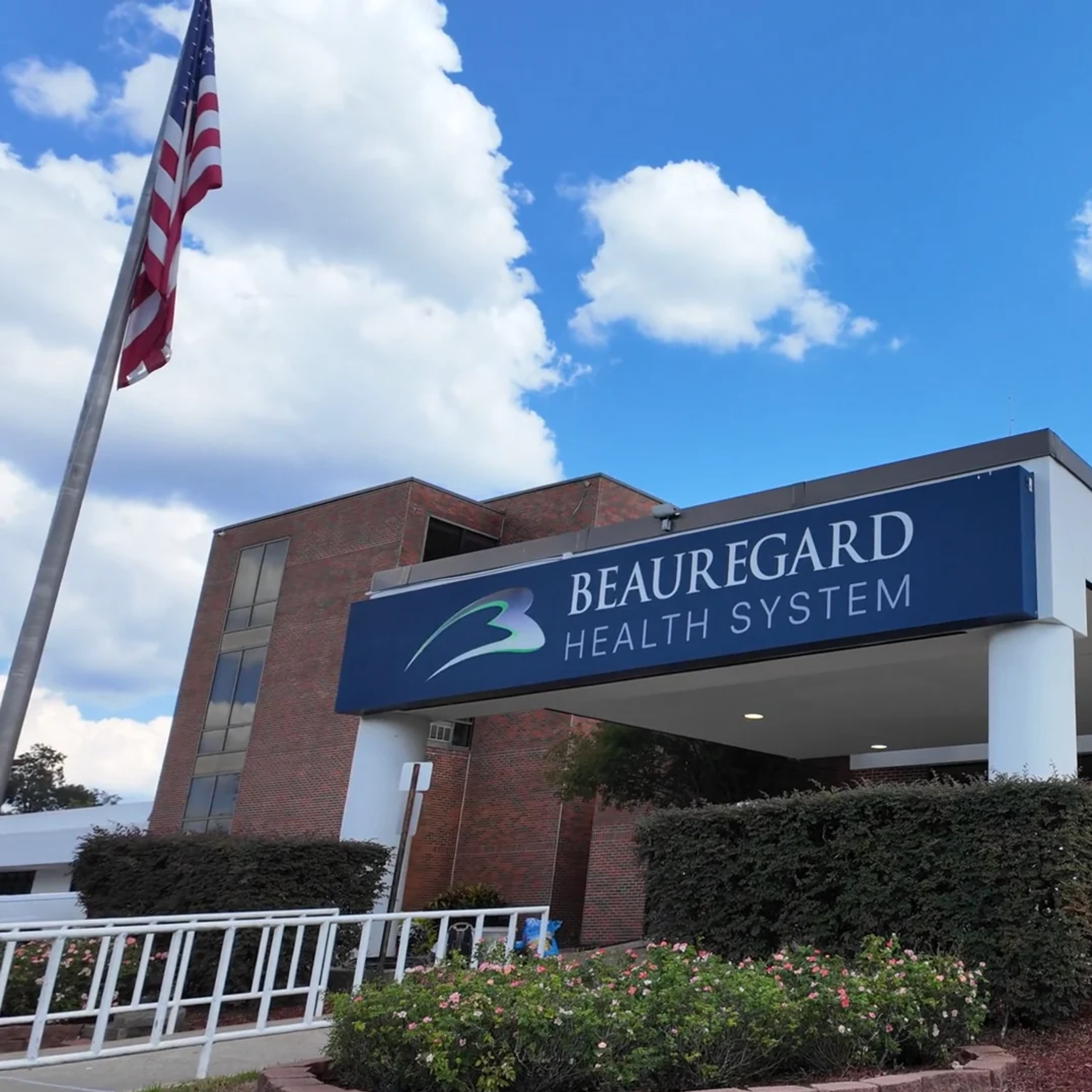
This critical access hospital in Blanding, Utah, used Denials IQ and Denials Navigator to break its denials down by code, payer, and entry point, then formed workgroups to fix the causes. Registration denials fell from a peak of $400,000 in Q4 2024 to $0, and the first half of 2025 came in more than $200,000 (about 68.6%) below the same period in 2024. The team now uses the training it built to onboard new registration staff.

This 25-bed critical access hospital in northwest Pennsylvania hadn’t completed a full chargemaster review in over a decade. By focusing on its two largest commercial payers’ fee schedules, the review projected a net revenue gain of $200,000 a year, against a goal of $50,000. “Pleasantly surprised,” said Jill Neely, VP of Revenue Cycle.

This rural community hospital in DeRidder, Louisiana, used Denials IQ to review 18 months of claims. Three areas (eligibility, ER billing documentation, and infusions) accounted for 47% of denied claims, and cutting denials in those areas by 25% would be worth an estimated $202,243 a year. “Before the Denials IQ project, it was a very manual process for us,” said revenue cycle manager Delissa Mango.

We built an on-demand admit report from the hospital’s EMR data so the registration and authorization team could catch missed authorizations. The shift “is preventing omission errors, thus promptly increasing the quality of authorizations,” said Billing Office Manager Debbie Gillespie.

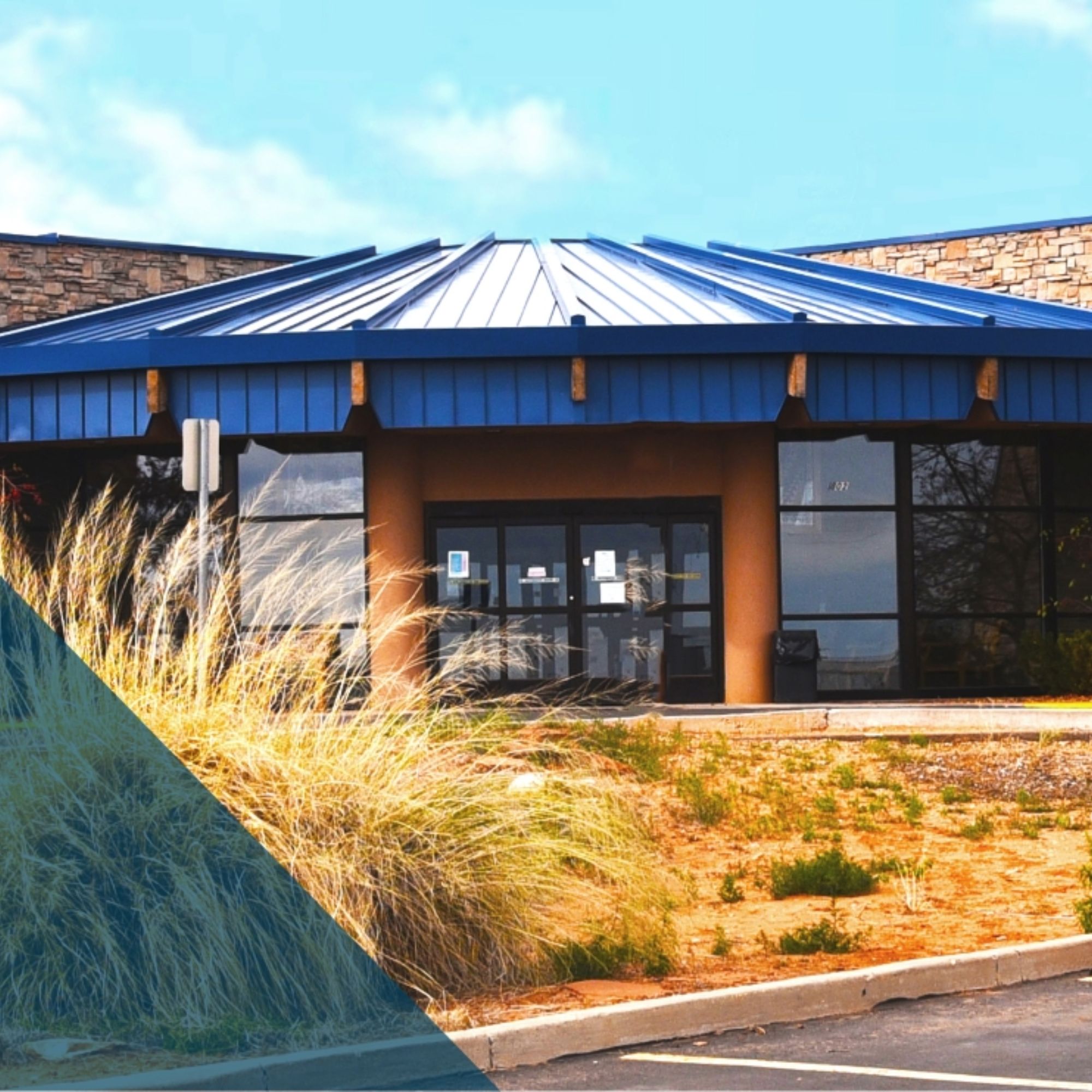
An outside view of the front of Blue Mountain Hospital, a rural critical access hospital in Blanding, Utah.
Emergency walk in entry area of kane county hospital
Aerial view of Titusville Area Hospital, a critical access hospital in northwest Pennsylvania, surrounded by wooded hills.

Where We Can Go Next

Once revenue is steady, many partners bring us into other operations. The same data skills that trace a denial to its source can trace a readmission, a surgical delay, or a gap in chronic care.

Several partners who started their work in revenue cycle now work with us well outside the business office. Blue Mountain Hospital’s work with us spans denials management, patient safety, surgical site infection tracking, and more. Kane County Hospital has used our analytics to improve authorization quality, understand rate-limiters, and more.

Read Stories here:

Clinical and quality

Clinical Quality Reporting, Medicare & ACO Reporting, Chronic Disease Management, and Integrated Patient Care. See how Uintah Basin Healthcare improved patient experience and how Western Health Alliance lowered avoidable utilization, with an 8% drop in inpatient admissions and a 9% drop in ED visits per 1,000 members.

Operational

Our operational analytics services help rural healthcare facilities improve operational efficiency through executive dashboards, provider productivity scorecards, cost and utilization analysis, and OR turnover analysis.

We help teams understand how their resources are being used and where they can improve efficiency. From identifying bottlenecks to making better use of available resources, we help teams improve daily operations.

Population health and state programs

We also support state offices of rural health. Our work with the Utah Department of Health and Human Services across 6 rural hospitals created lasting changes that the participating hospitals are still building on. Read our recap of the CDC webinar, where leaders from Utah DHHS, Blue Mountain Hospital, and Uintah Basin Healthcare talked about keeping that momentum going after the funding ended, or see RHTP for State Offices of Rural Health.

FAQs

Your team keeps running your revenue cycle, and we help it run better. REDi Health takes on focused projects, like a chargemaster review, a denials root-cause analysis, or a payor contract review, that use your own data to show where a process is losing money and what to change. If you’re looking to hand off billing and collections entirely, a full-service revenue cycle company is the right fit for that.

From us, you get the analysis, a clear plan, and support while your team puts the changes in place, plus the reports and habits to keep them working after the project wraps up.

That’s very common among rural facilities, and something we see often. For hospitals, we usually start with the chargemaster and then move into denials, so the gains from one step carry into the next.

We pull standard exports from your systems and coordinate with your EHR team when needed. On your side, it’s typically a one-hour meeting a week, depending on the project, plus time for the fixes you choose to make. 

Yes. Clinics are paid differently from hospitals (largely per visit), so we focus on the services that fit, like denials, authorizations, and payer contracts. Chargemaster work is hospital-specific. Reach out to our team to learn more about our clinic and FQHC projects.

Ready to Get Paid for the Care You Already Deliver?

Whether it's denials, your chargemaster, or a payer that keeps underpaying, we'd love to take a look with you. And when your finances are on steady ground, we'll be ready to help with the clinical, quality, and operational work that comes next.

Scenic aerial view of a small Vermont town in autumn, featuring historic churches, colorful fall foliage, charming buildings, and a blue and pink sunset sky.